
Executive readout
From late March through mid-June 2026, the signal has become clearer each week: a normal two-week booking window is no longer a reliable planning assumption on South China to Mombasa. Cargo that is not pre-booked, prioritized, or moved onto the right service tier is exposed to rolling, missed sales cycles, delayed replenishment, and landed-cost surprises.
The current crisis: space is the constraint
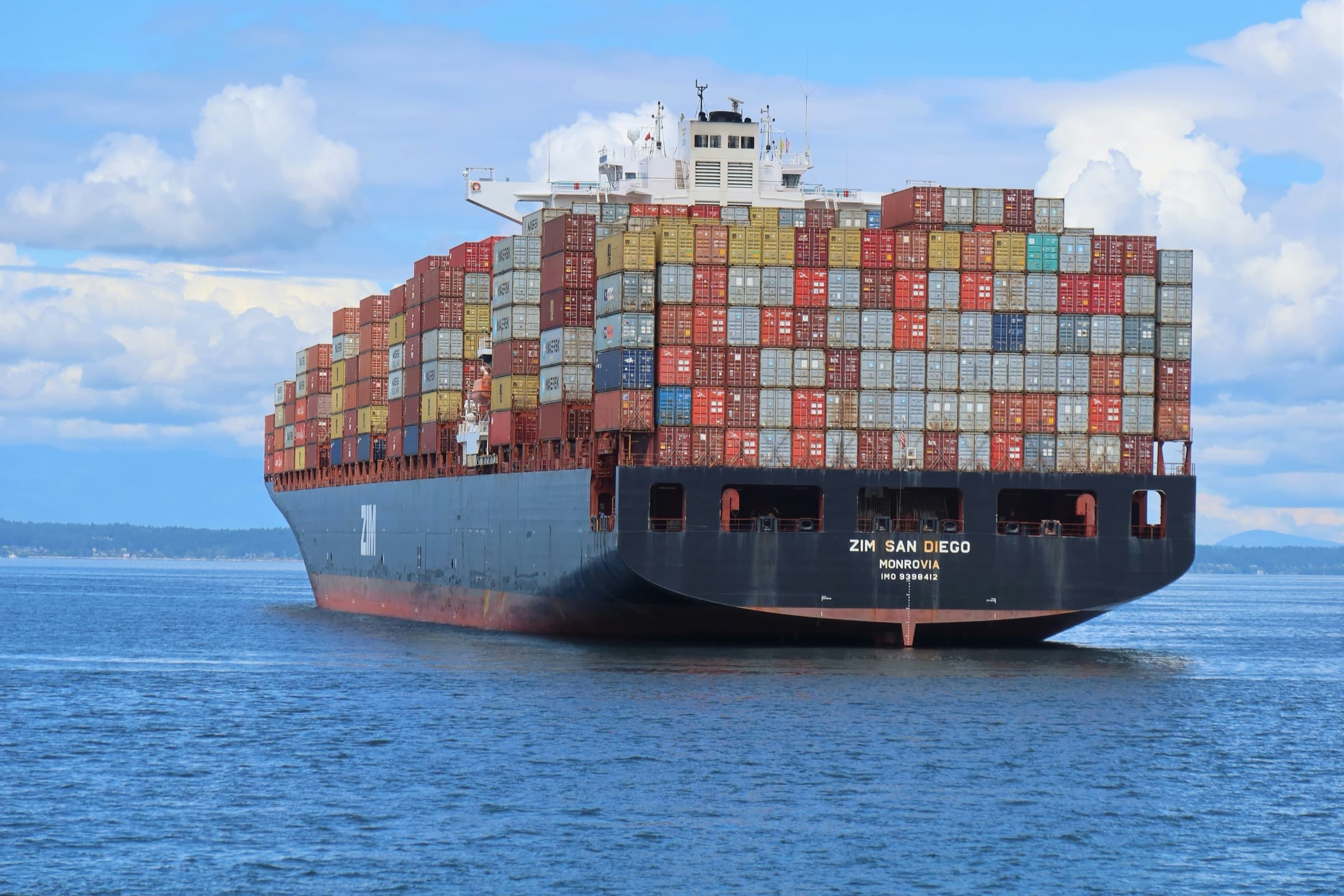
The South China to Mombasa corridor has moved from a watchlist issue in late March to an active space constraint in mid-June. Exporters loading from the Pearl River Delta, especially Guangzhou, Shenzhen, Nansha, and Yantian, are finding that carrier allocations are being consumed before many purchase orders are production-ready. For Kenyan, Ugandan, Rwandan, South Sudanese, and eastern DRC buyers who rely on Mombasa as the gateway port, this is a real planning concern for availability. Cargo-ready dates should therefore be shared before production is complete. Once the goods are already waiting at the factory, the best sailing options may already be gone.
In practical terms, securing space within a two-week window is now very difficult unless the shipment is booked on a premium, priority, or space-assurance product. Standard bookings can remain vulnerable to being rolled, which means the container is accepted at origin but left behind when the vessel sails. That creates a second disruption: the importer pays for a delayed supply chain even if the ocean rate looked acceptable on paper.
The pressure is not confined to one carrier. It is showing up across allocations, equipment planning, sailing schedules, and transshipment connections into East Africa. Importers should treat June bookings as capacity procurement, not routine freight administration: the core question is not only price, but whether the container will actually load on the intended vessel.
Route risk map
Check the sea corridor, not only the sailing date
South China to Mombasa cargo can move through several Indian Ocean and Middle East connection points. The map is not a vessel-tracking trace; it shows the checkpoints where space, cut-offs, and onward connections can make or break a booking.
Origin allocation
Has the carrier confirmed a South China slot before cargo is packed?
Transshipment reliability
Which hub is being used, and has that service seen omissions or phase changes?
Mombasa arrival
Does the ETA still fit inland delivery, selling cycles, and working capital?
Why the shortage is happening now
The pressure has built gradually. Over the last three months, the same pattern has appeared across booking conversations, carrier advisories, surcharge announcements, and transshipment updates: capacity can still be found, but lead time matters more, routing choices need closer review, and carrier space is being committed earlier than importers are used to.
Three forces are reinforcing each other. First, geopolitical disruption has pulled vessel capacity away from normal planning cycles. Maritime security problems around the Red Sea, Gulf of Aden, and wider Middle East have forced carriers to adjust routings, buffer schedules, suspend some calls, and run longer rotations. Every longer voyage absorbs ship days. The ship still exists, but it completes fewer round trips per quarter, which reduces effective global capacity.
Second, peak season has been pulled forward. Drewry reported on 11 June 2026 that its World Container Index rose to USD 3,549 per 40ft container and that this year's peak season had begun earlier than usual. Ti Insight also described the traditional August peak as arriving in June, with rate volatility across major China export hubs. When buyers advance bookings to avoid being stranded later, they create the very demand spike they are trying to escape.
Third, East Africa is being affected by operational friction around feedering and transshipment. Hapag-Lloyd's Week 24 Africa update, for example, listed suspended Jebel Ali calls on East Africa Service 2, omissions, ad-hoc calls, and vessel phase changes on East Africa loops. Those changes matter because Mombasa-bound cargo often depends on connections rather than a simple direct-port routine. When one node is disrupted, the entire booking chain becomes less predictable.
The price tag: June surcharges reset landed costs
The financial impact is now visible in carrier tariff actions.Maersk announced a Peak Season Surcharge for China and Hong Kong China to Kenya effective 15 June 2026 until further notice. The published level for Kenya is USD 1,000 per 20ft container and USD 2,000 per 40ft container, with the same USD 2,000 level for 45ft dry containers.
CMA CGM followed with a China to East Africa PSS effective 21 June 2026. Its notice lists Mombasa, Kenya and Dar es Salaam, Tanzania as destinations for dry and reefer cargo. For North and Central China, the surcharge is USD 500 per 20ft and USD 1,000 per 40ft high-cube on short-term contracts. For South China, CMA CGM lists USD 400 per 20ft and USD 800 per 40ft high-cube.
For importers, the lesson is straightforward: quoted freight without current surcharge validation is not a landed-cost number. A container that looked profitable in May can lose margin in June if the selling price, duty estimate, local haulage, storage exposure, and cash cycle were calculated on old freight assumptions.

June 2026 PSS comparison
Maersk
China / Hong Kong China to Kenya
20ft
USD 1,000
40ft
USD 2,000
Effective 15 Jun 2026
CMA CGM
North & Central China to Mombasa
20ft
USD 500
40ft
USD 1,000 HC
Effective 21 Jun 2026
CMA CGM
South China to Mombasa
20ft
USD 400
40ft
USD 800 HC
Effective 21 Jun 2026
What importers should ask before booking
In this market, a quote is incomplete unless it answers the operational risk questions behind the number. Before authorizing a purchase order or freight booking, importers should pressure-test the shipment plan against four questions:
- Is this confirmed space or only a booking request? Ask for the intended vessel, voyage, estimated departure, and whether the cargo needs a premium or priority product.
- Where does the cargo transship? Confirm whether the box connects through Singapore, Port Klang, Colombo, Jebel Ali, or another hub, and whether that connection has recent omissions, delays, or suspended calls.
- What is the roll risk? Push for a practical answer, not a generic assurance. If the sailing is overbooked, decide whether the cargo is important enough to pay for a higher-priority product.
- Which cost can still change? Reconfirm PSS, origin charges, destination charges, detention and demurrage terms, inland movement from Mombasa, and whether the quoted rate applies to dry, reefer, 20ft, 40ft, or high-cube equipment.
New booking rhythm during the shortage
6 weeks
Forecast
Share supplier readiness and target arrival.
4 weeks
Book
Request allocation and backup sailings.
2 weeks
Escalate
Use premium space for time-sensitive cargo.
ETD
Verify
Check VGM, SI, docs, and transshipment status.
What East African businesses should do now
- Extend booking windows to four to six weeks. Treat two weeks as an emergency window, not a planning window, and share the plan with us as soon as the supplier gives a reliable cargo-ready date.
- Use premium or priority tiers selectively. Premium freight is expensive, but it can be cheaper than stockouts, demurrage exposure, delayed promotions, or losing a customer order. Reserve higher-priority products for high-margin, seasonal, or contract-critical cargo.
- Split risk across sailings and suppliers. If one purchase order fills multiple containers, consider partial release by production batch. A staggered plan may keep at least part of the inventory flow moving if one sailing rolls.
- Audit landed costs immediately. Recalculate margins using the current PSS, likely spot rate, destination charges, inland transport, financing cost, and a realistic delay buffer. Procurement teams should update selling-price guidance before goods leave China.
- Escalate documentation discipline. Late commercial invoices, packing lists, VGM submission, or customs data can cost a booking slot. During a space crunch, paperwork errors are not admin problems; they are allocation risks.
When could capacity stabilize?
The most likely relief point is not a single date, but a combination of events: peak-season bookings cooling, carriers restoring schedule integrity, and geopolitical routings becoming predictable enough to release absorbed vessel capacity. If demand eases after the current front-loading wave, some space may open from late July into August. If security disruptions persist or more cargo is pulled forward, the South China to Mombasa market could stay tight deeper into the third quarter.
For now, the winning strategy is early visibility, allocation discipline, and fast margin recalculation. Businesses that keep treating June as a normal freight market will be the most exposed to rolled cargo and avoidable margin pressure. Importers with July or August cargo should share readiness dates now so pre-booking can start before the supplier's final packing date.
Plan with more runway
Share your shipping plans early, so we can plan around the current market trends.
When your cargo-ready dates, volumes, and target arrival windows are clear, we can move at your speed. Early visibility gives every shipment a calmer start and leaves room to review sailings, check current surcharges, and decide whether priority space is worth the cost.

Carrier pages to monitor
Use these official carrier pages to check advisories, schedules, service changes, and cargo tracking. Carrier portals update faster than market commentary, especially during rolling and transshipment disruption.